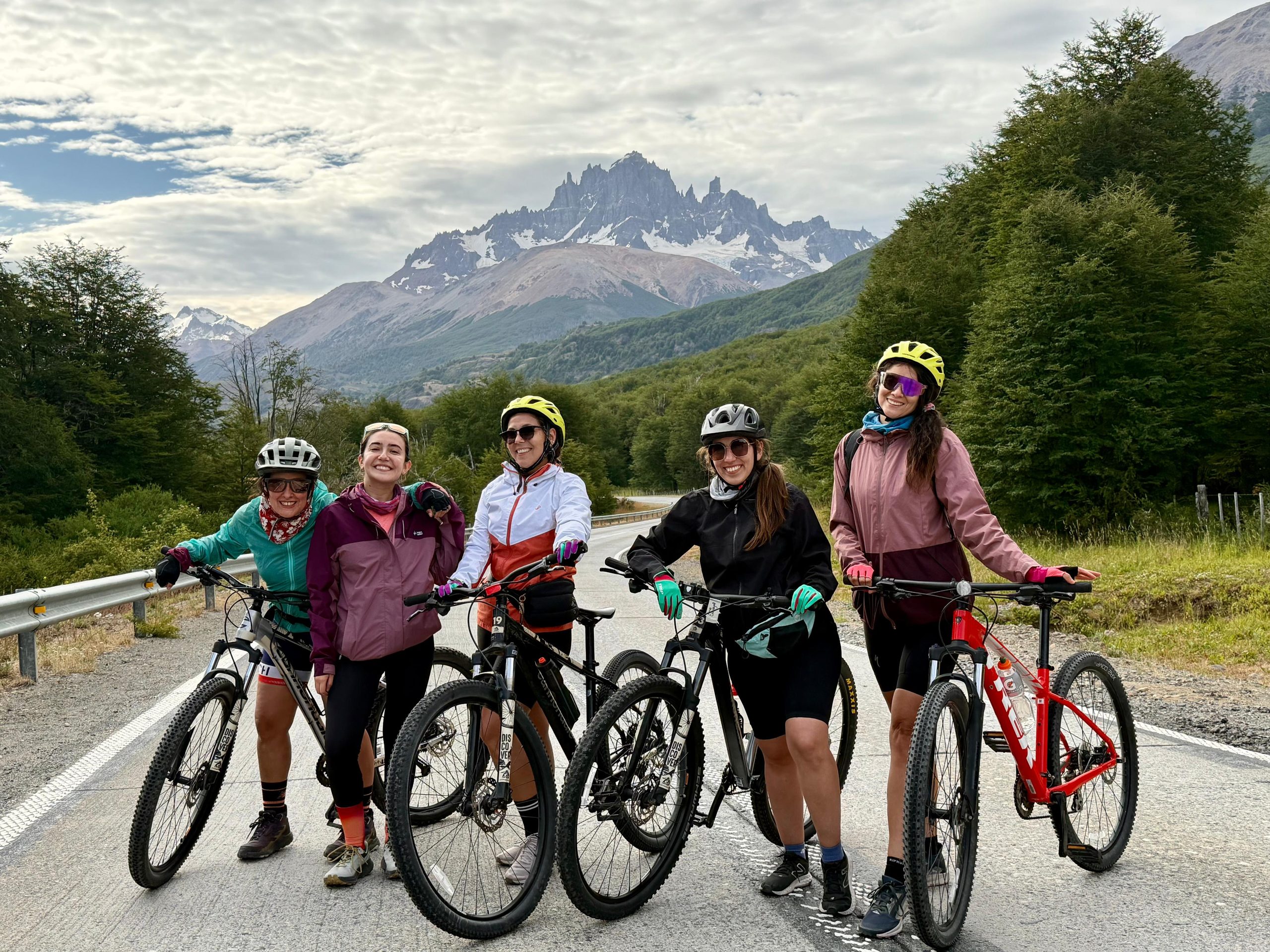
How a simple rental option reflects our commitment to equity, safety, and representation in adventure travel.
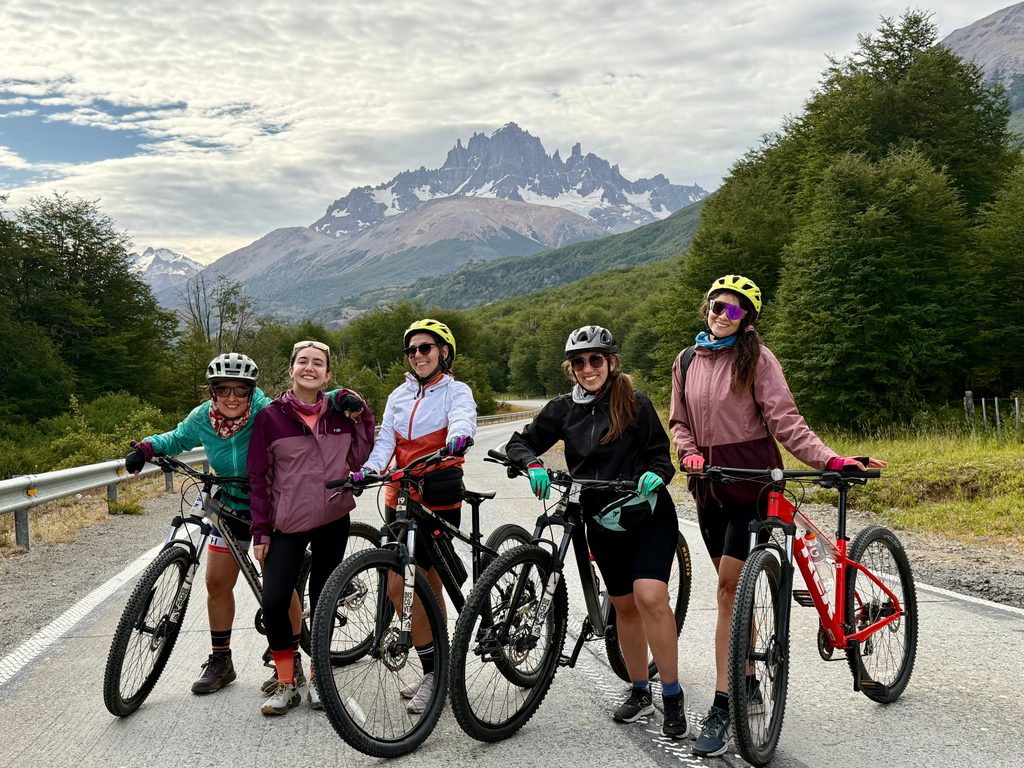
Photo by Cicloaustral Chile. Chelenko Gravel Backroads – Women Only. January 2026.
Last season, we made the option to choose a women’s saddle visible in our bike rental service—at no extra cost. At first glance, it may seem like just another piece of personalized gear, but it is actually much more than that. It’s not just a saddle.
If you are a woman and have ever ridden a bike for more than 1 hour, you have probably experienced the discomfort of using a standard saddle. This brings us to our first point: bicycles and equipment are mostly designed for male physiology, women often have to invest additional money in order to reach a basic level of comfort and safety. The saddle is just an example, the cushioning for the sit bones (ischial bones) is set closer together, while women generally need more distance between them, because wider hips mean greater spacing between the sit bones.
The fact that the “standard” is actually male is nothing new, in many markets, especially in Chile, women specific equipment is harder to find and also more expensive, and it doesn’t happen only in cycling. From crash test dummies that do not reflect the shape and weight of an average woman [1], to scientific studies that exclude female subjects because hormonal cycles are considered “unstable,” many systems are still designed around male bodies [2]. Although, in recent years, there has been a growing need for more in-depth research into women’s performance in endurance sports [3]. Evidence suggests that there are physiological differences that may make women more resilient in certain aspects of endurance performance. However, a significant knowledge gap remains in the existing research.
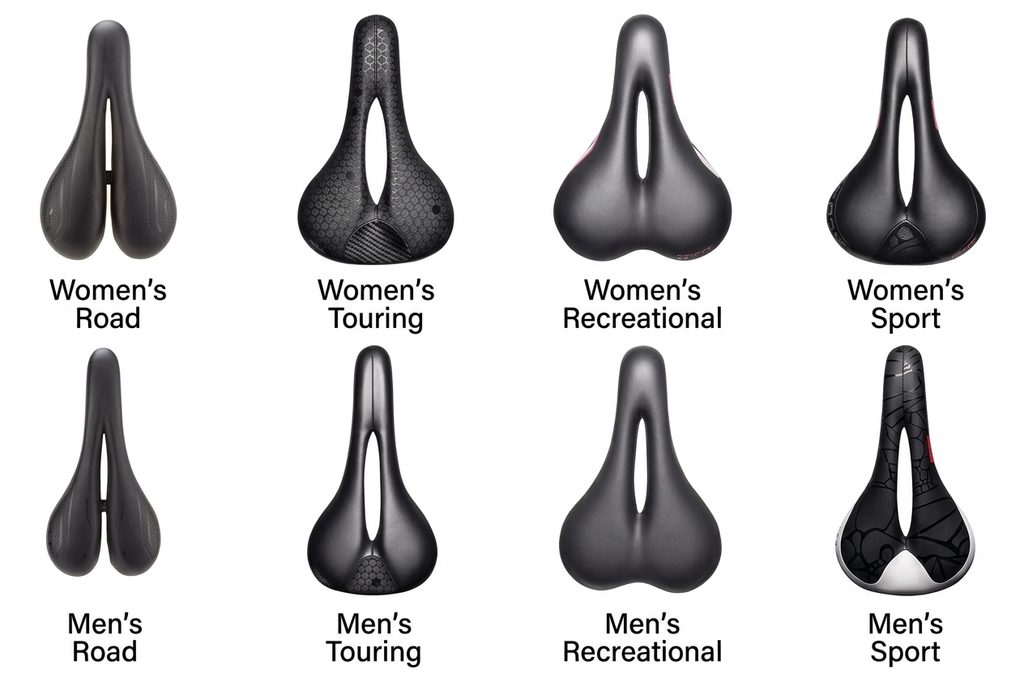
Source: Adapted from For Riders.
So, it’s not just a saddle. We believe women shouldn’t have to choose a differentiated option just to ride comfortably —comfort should be a given. For us, that means a women’s saddle isn’t an upgrade; it’s intrinsic to the bike itself. You won’t pay more, and you won’t have to make an extra effort to request it. We know that a saddle alone won’t end gender inequality, but through this action we make tangible how we believe change should happen, small steps towards big shifts, and progress toward closing the gender gap through everyday decisions.
For decades, frame geometry has been designed around the male body, with top tubes that are often too high and frames that are too long for women. The current trend in the industry is abandoning the standard size and moving forward to recognizing the difference between sexes, but the problem is that this approach still has stereotypes, assuming women have longer legs but shorter arms which led to shorter top tubes, not considering the enormous variability of bodies.
This extends beyond bike design: the adventure tourism sector—at least in Chile—is still largely male-dominated [4]. Women are often relegated to administrative or hospitality roles, but we can also lead, guide, cycle, and respond in emergency situations. Women’s tours are also often “pinkwashed,” associated with very quiet activities and limited adventure. However, some of the top riders who have traveled with us have been incredible women who have accomplished remarkable goals.
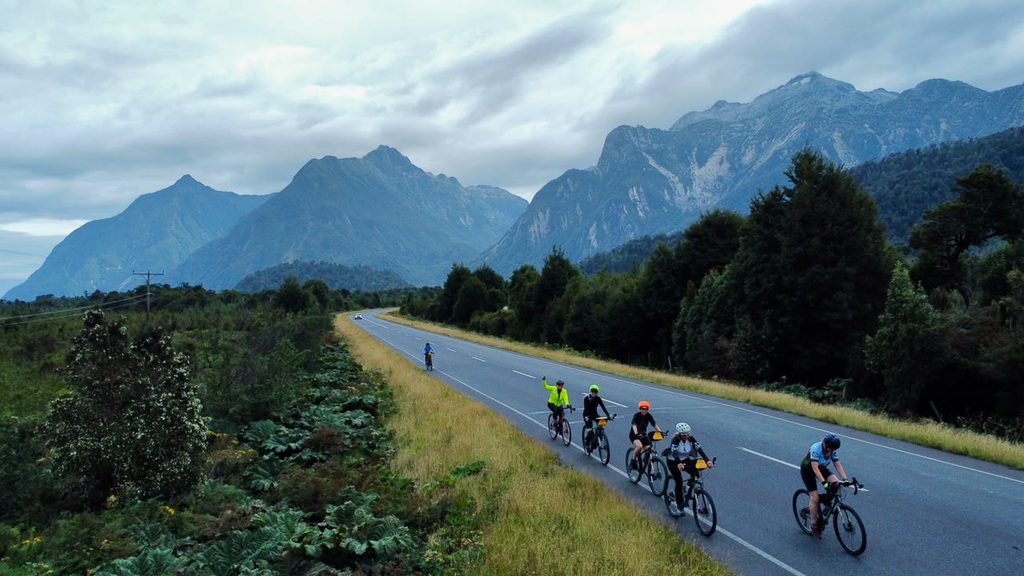
While a saddle alone cannot resolve systemic inequality, tourism companies have a significant power in shaping inclusive practices, ensuring representation in leadership and narrative. We have the option everyday to reproduce existing inequalities or contribute to transformative change. When women move from margins of adventure tourism into its most demanding and decisive roles the change stops being superficial and starts being structural.
This is also why we are creating women cycling experiences integrating a gender perspective into our design, risk management, communication system and accommodations. Women often experience outdoor spaces differently, and feeling safe is a fundamental condition for experiencing autonomy, confidence and empowerment in cycling travel.
There is evidence—and we have experienced it ourselves—that when women participate in outdoor activities, they often feel more confident taking risks and facing challenges. We want to create those spaces so more women can have that experience: feeling safe, confident, and empowered.
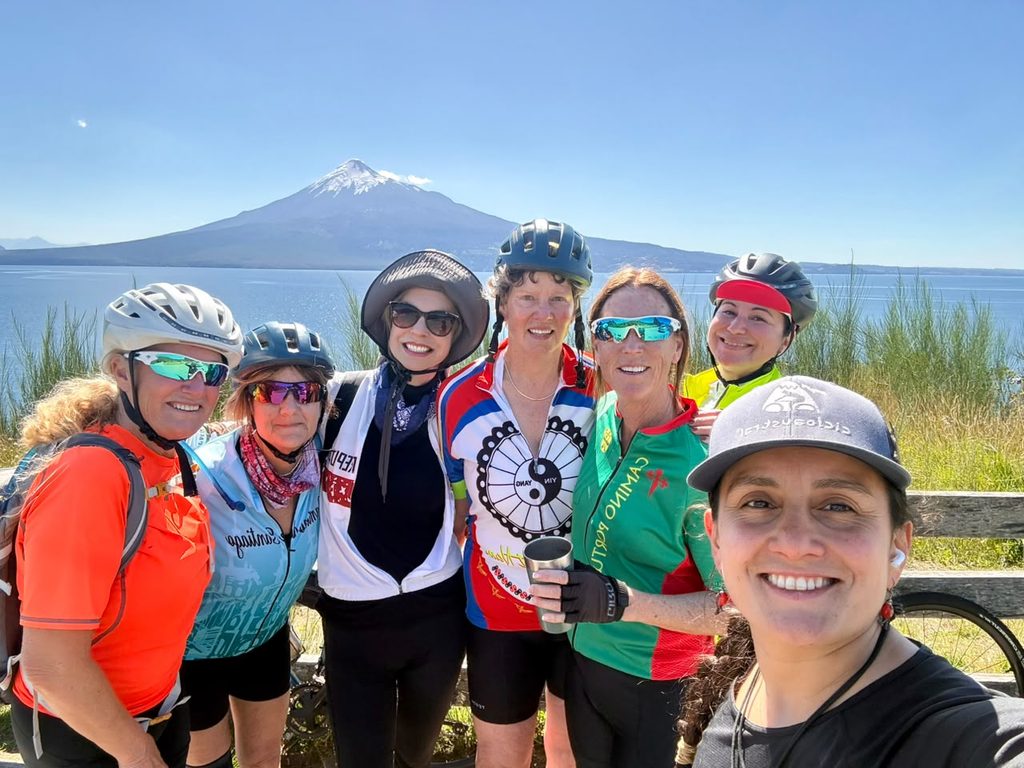
Guiding is leadership, we choose whose voice shapes our experiences, active, adventurous and women-led. We are not just working in adventure tourism, we are shaping it.
All this pointed us to another problem, finding women guides with the knowledge, experience, and skills required to lead cycling tours isn’t easy. Its required that they have mechanical knowledge (an area where the STEM gap is still very present) and extensive training. However, this season we have found some remarkable women guides, and we couldn’t be happier. Still, if we truly want equal opportunities for women and men, we must actively provide the resources needed to close those gaps, so starting form the same place stops being a privilege and becomes the norm.
So, it’s not just a saddle.
It’s a way of saying that we care—and that we act.

[1] Gender Innovations Project (2022). Inclusive Crash Test Dummies: Rethinking Standards and Reference Models. Gendered Innovations in Science, Health & Medicine, Engineering, and Environment. Stanford University. Available from: https://genderedinnovations.stanford.edu/case-studies/crash.html#tabs-1
[2] DeBruin, D. (1999). Justice and the Inclusion of Women in Clinical Studies: A Conceptual Framework. In Women and Health Research: Ethical and Legal Issues of Including Women in Clinical Studies: Volume 2: Workshop and Commissioned Papers. Available from: https://www.ncbi.nlm.nih.gov/books/NBK236575/
[3] Espasa-Labrador J, Sandbakk Ø, Cebrián-Ponce Á, Irurtia A, Carrasco-Marginet M and Osborne JO (2026) Female trail running: a systematic scoping review. Front. Sports Act. Living 7:1694925. DOIi: 10.3389/fspor.2025.1694925
[4] Dujisin, P. N. R., & Briones, A. F. (2022).The participation of women workers in adventure tourism: a case study of the Valparaíso region, Chile. Pasos Revista de Turismo y Patrimonio Cultural, 20(1). DOI: 10.25145/j.pasos.2022.20.011